
In a world where brain health and cognitive longevity are hot topics, countless supplements promise sharper memory, better focus, and radiant mental clarity. One product that has exploded into the spotlight — and not always for good reasons — is NeuroDyne Drops, marketed as an innovative brain support solution in liquid drop form.
Neurodyne Medical Reviews But does this supplement live up to the hype? Or is it just another flashy product riding on clever advertising tactics?
Let’s break everything down — the claims, the reality, the concerns, and what neuroscientists and health experts actually recommend for brain wellness.
🔥(LIVE SALE) TAP NOW AND CLAIM 40% OFF SPECIAL
What NeuroDyne Drops Claim to Be
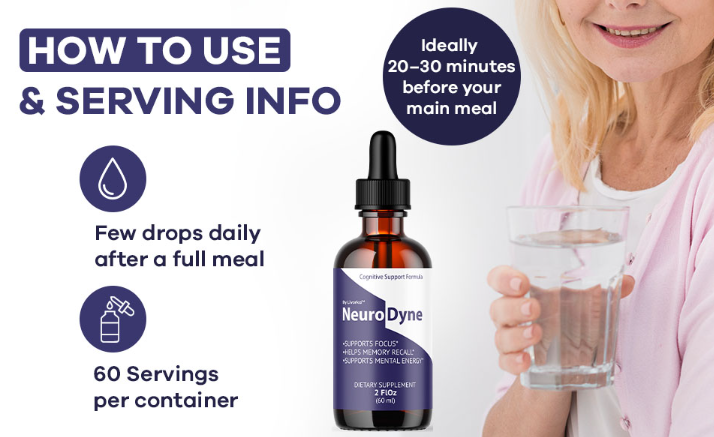
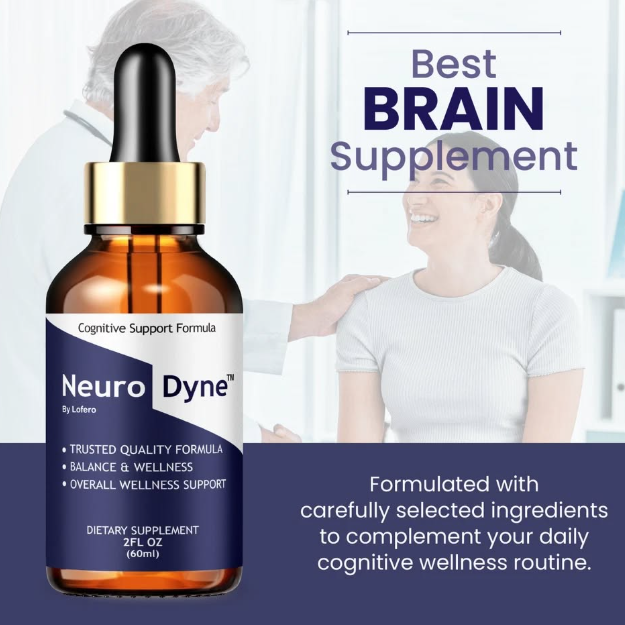
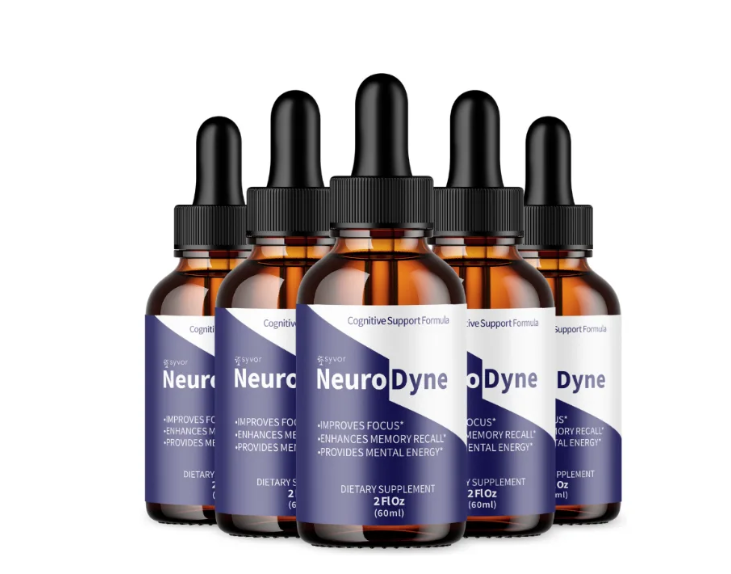
Official sources (including the brand’s purported product page) paint NeuroDyne Drops as a cutting-edge brain health formula. According to promotional materials:
It’s designed to enhance memory retention, boost mental focus, and improve clarity
It includes a blend of plant-based botanical extracts, vitamins, and compounds traditionally associated with cognitive support
It’s conveniently delivered in a liquid drop format for quick absorption
It’s produced in GMP-certified facilities and boasts quality testing and “natural” ingredients
The formula purportedly combines ingredients like:
Ginkgo Biloba Leaf — traditionally used to support circulation to the brain
Phosphatidylserine Complex — a phospholipid thought to play a role in neuron communication
Bacopa Monnieri — an herb used in Ayurveda for memory and learning
Huperzine-A — a compound associated with supporting acetylcholine activity
Vitamins B6 and B12 and other nutrients meant to nourish brain cells
Sounds promising on paper — but here’s where things start to get murky.
Popular Marketing vs. Scientific Reality
Products aimed at boosting brain health often lean on generalized science — citing known effects of individual ingredients — but rarely deliver clinical evidence for their own specific formula.
With NeuroDyne Drops, this gap between marketing and science is particularly stark.
🔍 Lack of Clinical Evidence
There are no peer-reviewed clinical trials demonstrating that NeuroDyne Drops, specifically, improve memory, concentration, or brain health in humans. The product’s website touts benefits, but nowhere is there transparent data from independent research validating these claims.
This is crucial because — while some ingredients like Bacopa and Ginkgo have been studied in broader research — effectiveness varies widely with dose, formulation, and individual physiology. And without clinical trials on the bottle’s exact formula, you can’t know if it works as claimed.
Red Flags in Advertising and Marketing
Perhaps the most striking aspect of the NeuroDyne narrative isn’t just the lack of evidence — it’s how the product is promoted online.
📺 Manipulative Marketing Tactics
Is Neurodyne Legit Multiple independent investigations have uncovered patterns that are common in deceptive supplement marketing:
Ads mimic trusted news outlets (e.g., fake “CNN” style pages)
Emotional testimonials about memory loss reversal
High-pressure urgency messaging (“Limited stock!” countdowns)
References to remote discoveries like “Blue Fruit Tricks” allegedly reversing Alzheimer’s
Specialists in online consumer protection describe these techniques as psychological triggers designed to push people into buying quickly — before checking facts or consulting a doctor.
🤖 Deepfake Endorsements and False Claims
Some versions of these ads even use AI-generated video content featuring deepfaked doctors or media personalities, falsely implying that prominent health experts endorse the supplement. None of these endorsements are legitimate or verified.
This type of marketing is not just unethical — it can be harmful, especially when tied to something as serious as cognitive decline or memory loss. It’s one thing to sell vitamins; it’s entirely another to imply your product cures neurological diseases.
🔥(LIVE SALE) TAP NOW AND CLAIM 40% OFF SPECIAL
Consumer and Independent Reviews
What are real customers saying?
⭐ Headlines from Independent Review Platforms
Across independent consumer forums and review platforms, a pattern has emerged:
Many buyers never received a clear ingredient list
Some reported hidden subscription charges
Refunds were difficult or mishandled
Customer service was unresponsive
Some people never received the product at all
One user described the experience as a “nightmare,” reporting that the product’s claims didn’t match what was advertised and that customer service was virtually nonexistent.
💸 Subscription Complaints Are Common
Consumer conversations (including on communities like Reddit) allege that people were enrolled in recurring billing without clear consent — a tactic used by some online marketers to retain revenue even after purchase.
What About the Ingredients? Are They Good for Brain Health?
Neurodyne Side Effects Let’s look at some of the key components often associated with cognitive health supplements (based on the product’s marketing claims — though exact label transparency is questionable).
🧠 Ginkgo Biloba
This botanical has been studied for possible effects on memory and circulation. Some evidence suggests modest benefits in older adults, but results are inconsistent.
🧠 Phosphatidylserine
A phospholipid found in cell membranes that may support signal transmission between neurons. Again, evidence is limited without high-quality clinical trials in humans.
🧠 Bacopa Monnieri
An Ayurvedic herb with some research supporting memory support after long-term use (often 12+ weeks). Its effects are subtle and not universally experienced.
🧠 Huperzine-A
This compound may influence neurotransmitter levels (like acetylcholine), but at certain doses, it can also cause side effects or interact with medications.
🔎 Important caveat: While these ingredients are found in many supplements, their impact depends on accurate dosage, purity, and reliable formulation — none of which are independently verified for NeuroDyne Drops.
Safety and Side Effects
Supplements can interact with medications or worsen health conditions if taken without guidance. Since NeuroDyne’s label transparency is inconsistent, the actual contents and doses may vary.
Reported side effects in user forums include:
Stomach discomfort
Unpleasant taste or aftertaste
No noticeable improvement
Potential interactions with prescription medicines
People on blood thinners, antidepressants, or neurological medications should be especially cautious, as some nootropic compounds can interact unpredictably.
🔥(LIVE SALE) TAP NOW AND CLAIM 40% OFF SPECIAL
Always consult a healthcare provider before starting any brain supplement.
Pros and Cons — A Balanced Breakdown
✅ Possible Pros
Uses ingredients commonly found in brain health supplements
Liquid format may be easier for some people to ingest
Some ingredients have modest supporting research in general
❌ Possible Cons
No verified scientific trials on NeuroDyne Drops itself
Deceptive online marketing and false endorsements
Ingredient transparency issues
Recurring billing complaints and refund difficulties
Low trust scores from independent watchdogs
So… Should You Try NeuroDyne Drops?
If you’re reading this to decide whether to buy NeuroDyne Drops, here’s the bottom line:
🧠 For Now — Proceed with Caution
Dr Attia Neurodyne There’s no reliable clinical evidence that NeuroDyne Drops improves cognitive performance or treats neurological conditions. The advertising tactics, lack of transparency, and consumer complaints strongly suggest that it’s not the breakthrough supplement it’s marketed to be.
💡 Real Brain Health Starts With Proven Practices
Instead of relying on jungle-internet marketing claims, experts recommend evidence-based methods to support cognitive health:
Balanced diet with omega-3 fatty acids and antioxidants
Regular physical exercise to boost blood flow to the brain
Quality sleep for memory consolidation
Stress management and mindfulness
Continuous learning or cognitive challenges
Supplements with clear clinical backing, if appropriate
Talking with a neurologist, nutritionist, or GP can help you find the right approach to support cognitive wellness tailored to your needs.
Safer Alternatives to Consider
There are brain supplements backed by more transparent research and widespread use, such as:
Omega-3 fatty acids (fish oil)
Citicoline
Bacopa in clinically used doses
Lion’s Mane mushroom extract
Vitamin D and B complex (if deficient)
These have more established research supporting potential cognitive benefits when used appropriately and transparently.
Final Verdict
While the idea of a simple drop formula that instantly sharpens memory or reverses cognitive decline is appealing, the reality — in the case of NeuroDyne Drops — is far less clear.
Current evidence suggests:
⚠️ The product’s claims are not backed by independent clinical research
⚠️ Marketing tactics include deceptive ads and false endorsements
⚠️ Customer experiences reveal refund and subscription issues
⚠️ Ingredient transparency is inconsistent
Ultimately, true brain health is a marathon, not a sprint — and no liquid drops, no matter how flashy the marketing, can replace good sleep, balanced nutrition, exercise, mental engagement, and informed medical guidance.

Write a comment ...